What to arrange before you go
Kenya asks most visitors for an electronic travel authorization (eTA) before they travel, and since 5 October 2026 also for health insurance for the stay. These are two separate requirements. Rules change, so check the official Kenyan and your own government's pages close to your departure.
Health matters are listed here as dated facts only. For advice on vaccinations, malaria or medication, speak to a doctor or a travel medicine clinic before you go.
Entry rules at a glance
Dated facts for 2026.
| Topic | Fact |
|---|---|
| eTA | Apply before you travel on the official eTA website or app. From $30, plus $100 for the expedited option. |
| Processing | Usually 3 working days (72 hours), sometimes longer. Apply at least 2 weeks before your trip. |
| Passport | Valid for at least 6 months with at least one free page. Some governments advise two free pages. |
| Entry insurance | Required since 5 October 2026 for most visitors staying under 12 months. Premium up to $44 per person on the Kenyan portal. |
| Yellow fever | A certificate is required if you arrive from a country with a risk of yellow fever transmission. |
| Malaria | Risk exists in Kenya below 2,500 m, including wildlife parks. |
| Plastic bags | Banned since 28 August 2017. |
An approved eTA is not a final decision on entry. Many nationalities and statuses are exempt, so do not assume the rule applies to you either way. Check your own case.
Mara safaris with a guide
Game drives, balloon flights and trips from Nairobi, with live prices and availability.
Entry, insurance and health in more detail
What the dates and numbers mean.
The eTA
You need a passport valid for at least 6 months, a photo, your contact details, a travel plan and an accommodation confirmation. Apply early. Do not rely on a 72-hour turnaround.
Entry insurance
Visitors can buy the cover in the eTA process or separately on the Kenyan insurance portal. A foreign policy does not replace it. The Kenyan portal lists a cover period of up to 3 months and exempts Kenyan citizens, residents and East African Community nationals. Rules for children and longer stays can differ, so check your case before you pay.
Yellow fever and malaria
Kenya asks for a yellow fever certificate if you arrive from an affected country. Malaria risk exists in Kenya below 2,500 m, wildlife parks included. These are facts, not advice. A doctor or travel clinic can tell you what applies to you.
Current health notices
Health notices for Kenya change from time to time. Check your own government's travel advice shortly before you fly and ask a doctor if anything is unclear.
Money, luggage and packing
Small things that cause delays.
Paying in the reserve
The Mara Triangle does not accept cash for park fees. It takes M-Pesa and card, and sells tickets online through the KAPS system. Do not assume the same rule applies at every gate in the reserve, and ask your operator how your fee is paid.
Park fees →Soft bags, 15 kg
Safarilink and AirKenya both allow 15 kg in total, including hand luggage, in soft bags. A soft bag fits the hold of a light aircraft better than a hard case. Excess baggage is carried only if there is space.
Flights →No plastic bags
Kenya has banned plastic carrier bags since 2017. Keep that in mind when you pack, and use a cloth or paper bag for loose items.
Documents
The Triangle accepts a passport or national ID as proof of identity, but not a driver's licence. Carry your passport and the confirmations for your eTA and insurance.
Behavior in the reserve
Rules that protect the animals and your safety.
Stay in the vehicle
Get out only at designated points. Do not stand on the roof or sit on a window frame. Do not swim in rivers. The permitted places to leave your vehicle are designated points, which are not swimming spots.
At river crossings
Be quiet and do not block the approach to a crossing or the direction the herd is moving in. Your guide will position the vehicle.
The Great Migration →Around other vehicles
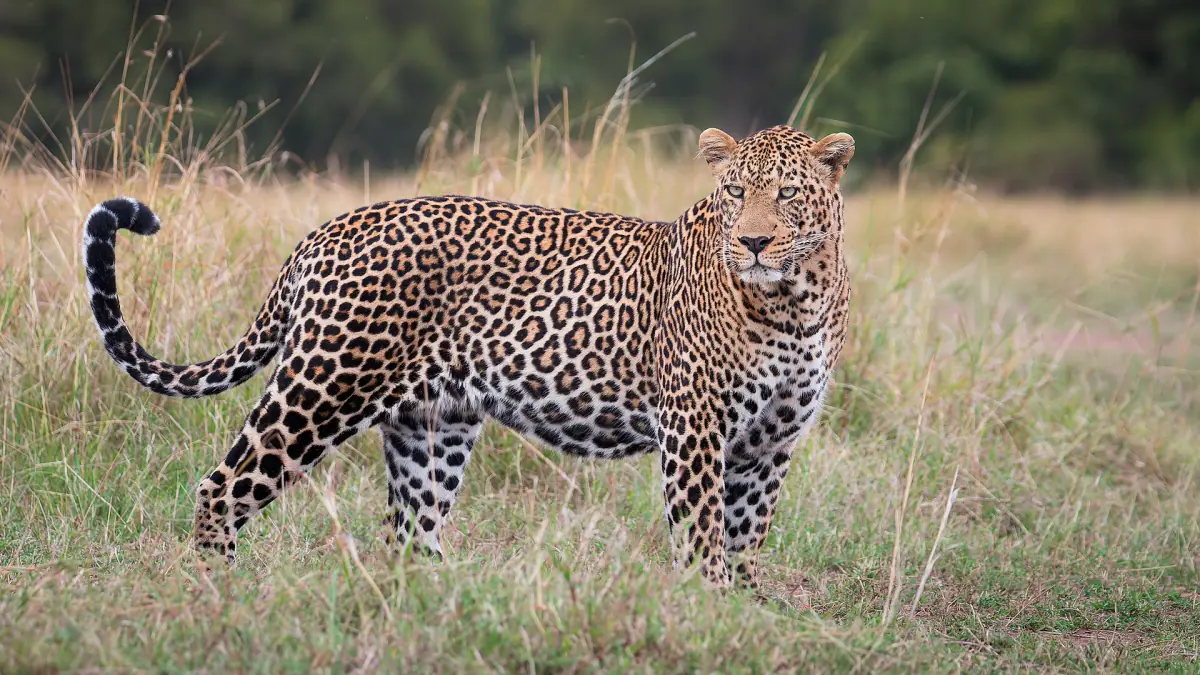
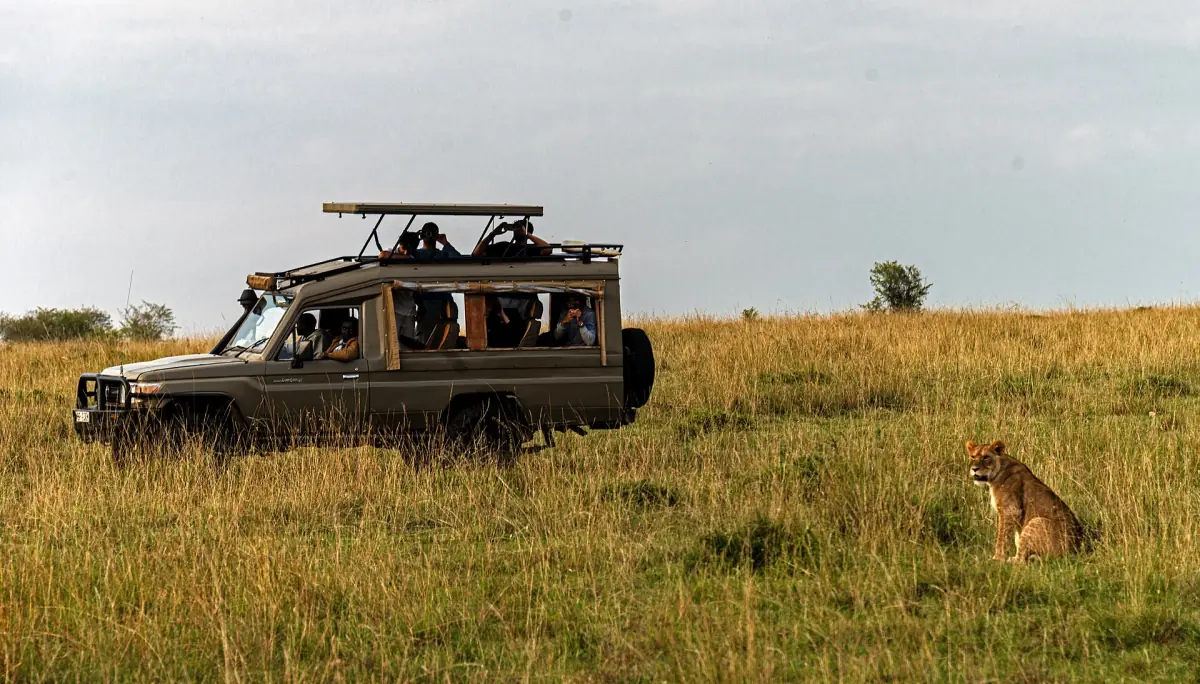
In the Triangle, when more than 5 vehicles are waiting at a sighting, viewing time is limited to 10 minutes. Waiting vehicles stay 100 m away. Approaching big cats is allowed only up to 25 m in low-use zones, and you return the way you came.
Night drives
Permission for night drives depends on the area. Do not assume it applies everywhere. Ask the camp where its night drives take place.
Photographing people
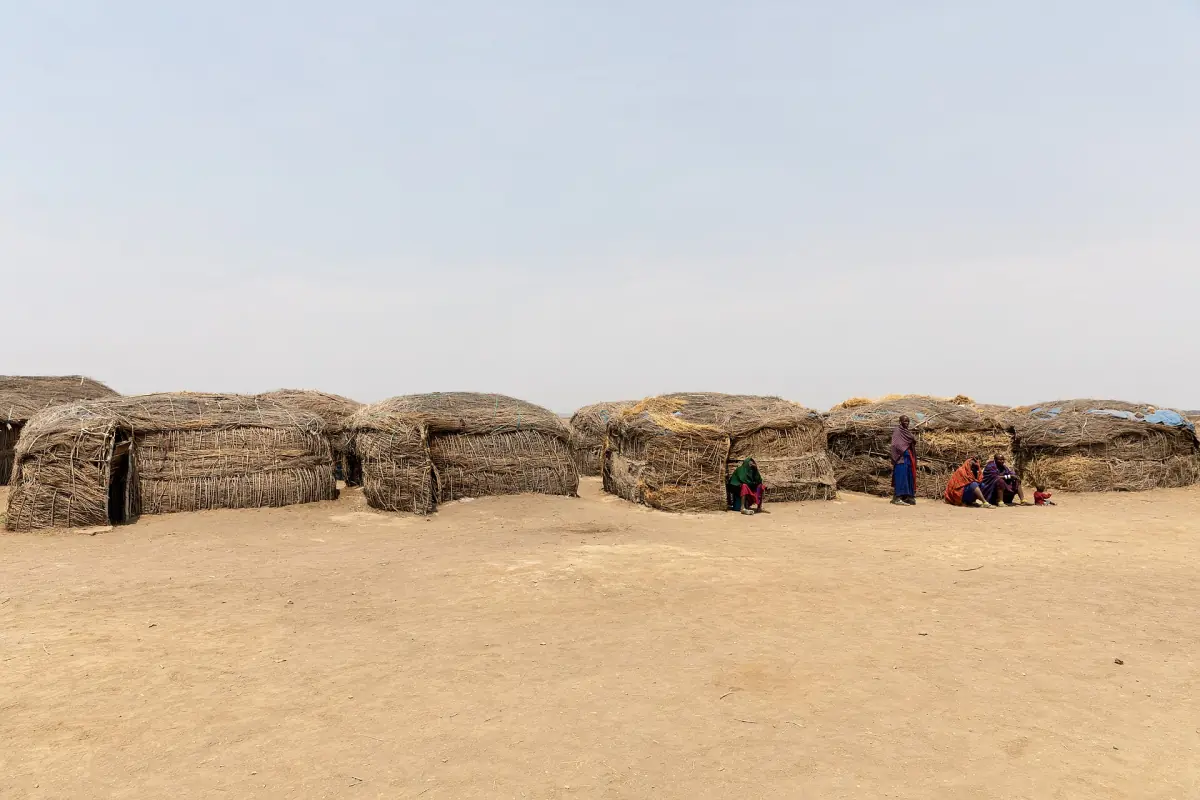
Ask before you photograph a person or their property. Payment may be requested. Paying for a visit does not mean consent for photos.
Maasai village visit →Combining the Mara with a stay in Tanzania? The Serengeti has its own rules and costs, covered in the Serengeti travel tips.
Kenya safari tips: frequently asked questions
Do I need an eTA for Kenya?
Most visitors do, but many nationalities and statuses are exempt. Check the official eTA website for your own case. Apply at least 2 weeks before you travel.
Is health insurance mandatory for entry?
Since 5 October 2026 Kenya requires inbound travel health insurance for most visitors staying under 12 months. A foreign policy does not replace it. Check the current rules for your case.
Is the Maasai Mara a malaria area?
Malaria risk exists in Kenya below 2,500 m, wildlife parks included. For what that means for you, speak to a doctor or travel clinic.
Can I bring plastic bags to Kenya?
Kenya has banned plastic carrier bags since 28 August 2017. The ban does not cover every plastic product.
How much luggage can I take on a flight to the Mara?
15 kg in total, including hand luggage, in a soft bag, on Safarilink and AirKenya. Excess baggage is carried only if there is space.