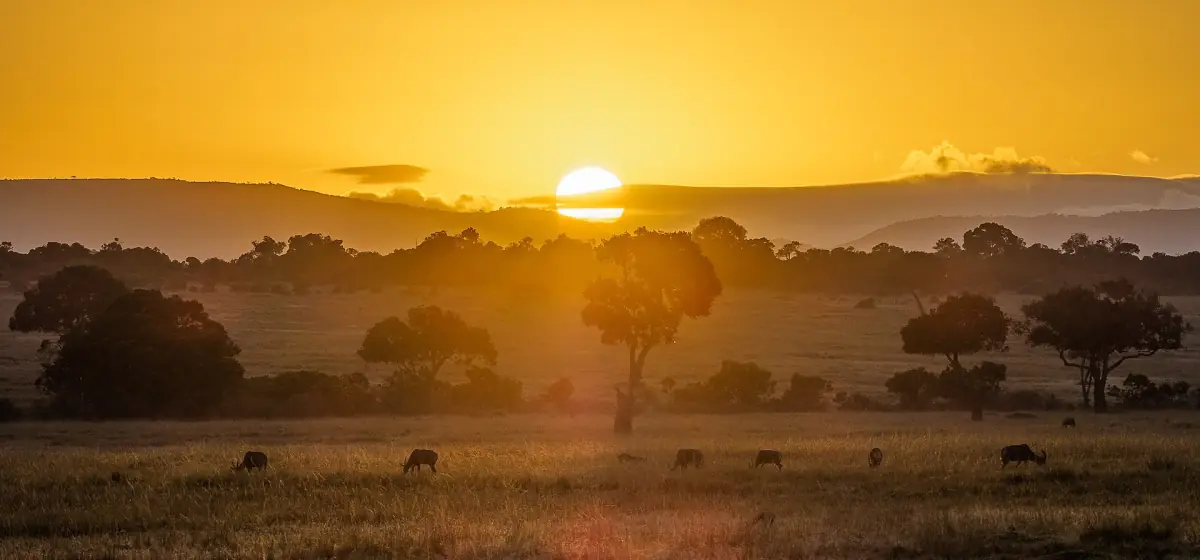
Four calendars, not one
People ask for the best month, but the Mara has no single answer. The Great Migration, the rainy seasons, the park fee season and the lodge price seasons do not start and end on the same dates. A month that is cheap for beds can be expensive for entry, and a month with herds in the reserve can be a month with the highest rates.
Resident animals such as lions, elephants, giraffes and zebras do not follow the migration calendar. What changes through the year is how many wildebeest are in the reserve, how wet the weather is and what you pay.
The year at a glance
Park fees are for a non-resident adult per day in 2026. Rains are regional patterns, not forecasts.
| Period | Park fee | Rains | Migration |
|---|---|---|---|
| January and February | $100 | – | – |
| March to May | $100 | Long rains | – |
| June | $100 | Drier | Herds can start to arrive from June or July |
| July to October | $200 | Drier | The usual planning window |
| November | $200 | Short rains | Normally the end of the season |
| December | $200 | Short rains | – |
The higher park fee runs through November and December, so the expensive entry season is longer than the migration season. Lodge seasons follow their own calendars. At one camp, a luxury tent costs $453 per person per night in April and May and $998 from July to October and from 21 to 31 December.
Mara safaris through the year
Game drives, balloon flights and trips from Nairobi, with live prices and availability.
The migration and the river crossings
A seasonal pattern, not a timetable.
When the herds are in the Mara
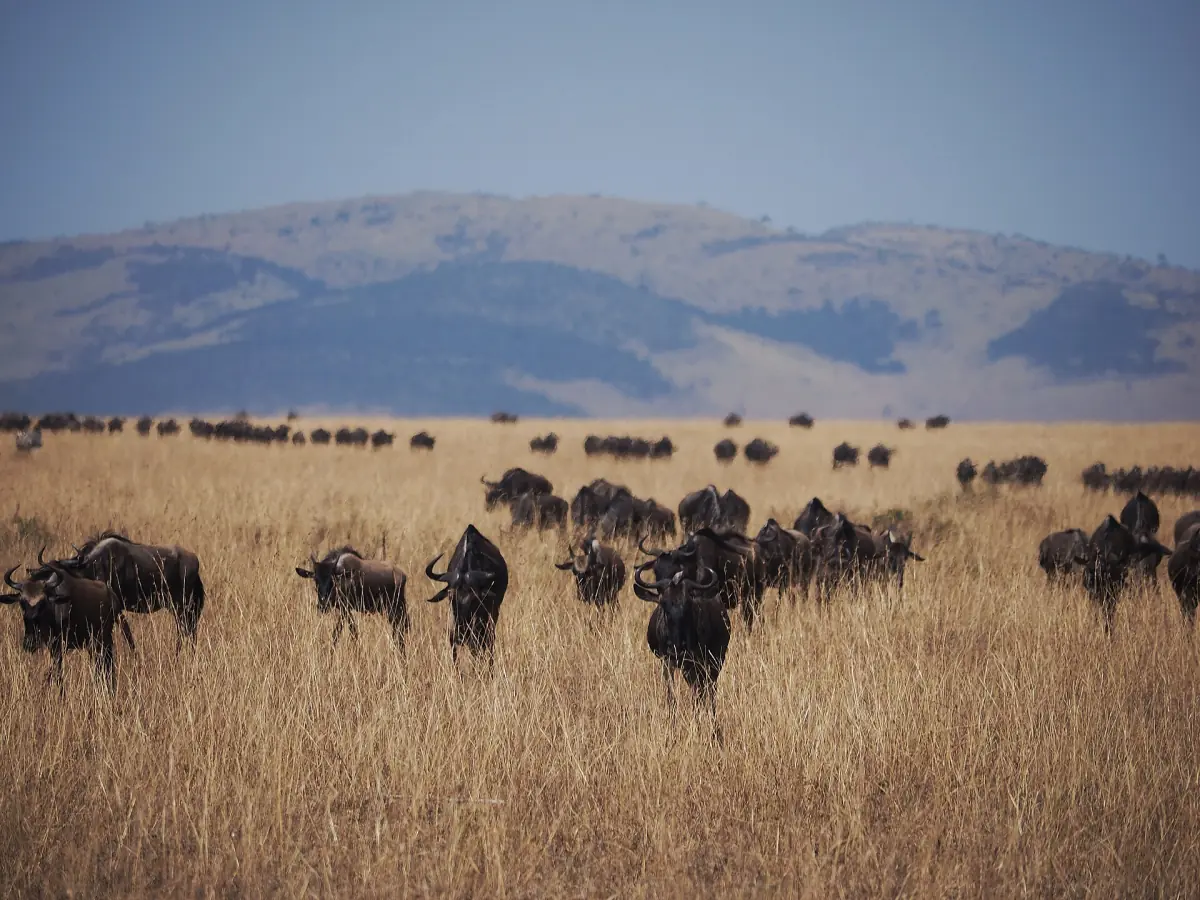
The migration normally begins in June or July and ends in November. July to October is the narrower window most people use for planning. Neither is a fixed arrival or departure date.
The Great Migration →Crossings are hard to predict
A crossing of the Mara River is one possible event inside the migration, not the migration itself. Crossings happen often during the season, but nobody can tell you the day or the hour. Plan several days on the river if crossings matter to you.
One year as an example
In August 2026, about 200,000 wildebeest stood in the Triangle by mid-month. After heavy rain on 17 August most had moved back south. That shows how quickly the picture changes, and why no guide can promise a sighting.
The Serengeti side
The herds follow a yearly cycle that spans the border with Tanzania. The southern part of that cycle is covered in the Serengeti migration guide.
What to expect in each season
Choose by what matters most to you.
July to October: herds and higher prices
This is the best fit if you want the migration. Park entry is at the higher rate, and the example camp above charges its peak rate. Book early.
Park fees →November and December: shorter rains
The short rains are a regional pattern, so showers are possible. The higher park fee still applies. Camp prices can change within the period, for example from 21 to 31 December.
January and February: lower park fee
The park fee is $100 for a non-resident adult. The main wildebeest herds are not usually in the Mara in these months.
March to May: the long rains
This is the long rainy season. Fees are at the lower rate, and the example camp charges its lowest rate in April and May. Some camps close for part of this period. One conservancy camp lists a closure from 13 April to 22 May in 2026, so check dates before you book.
What it costs →June: a transition
The weather is drier and the lower park fee still applies until 30 June. The herds can start to arrive from June or July, so the timing varies from year to year.
Keep planning
Pages that go with your dates.
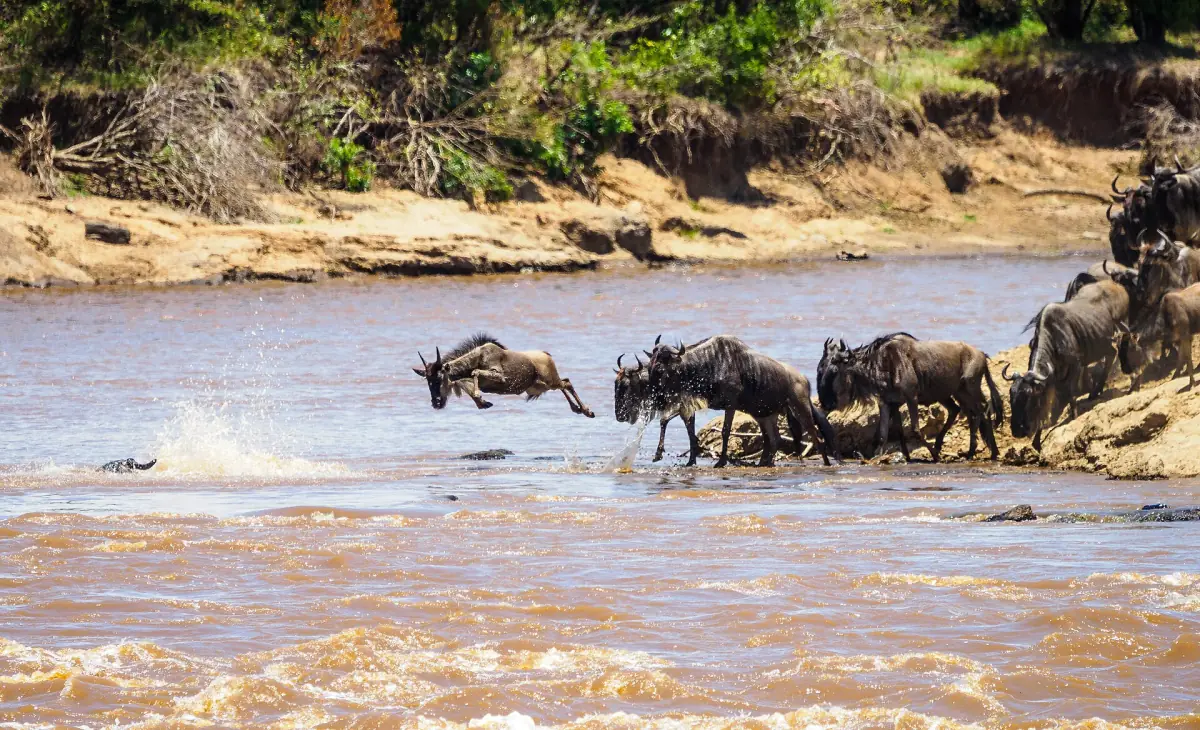
The Great Migration
How the herds move and what a crossing involves.
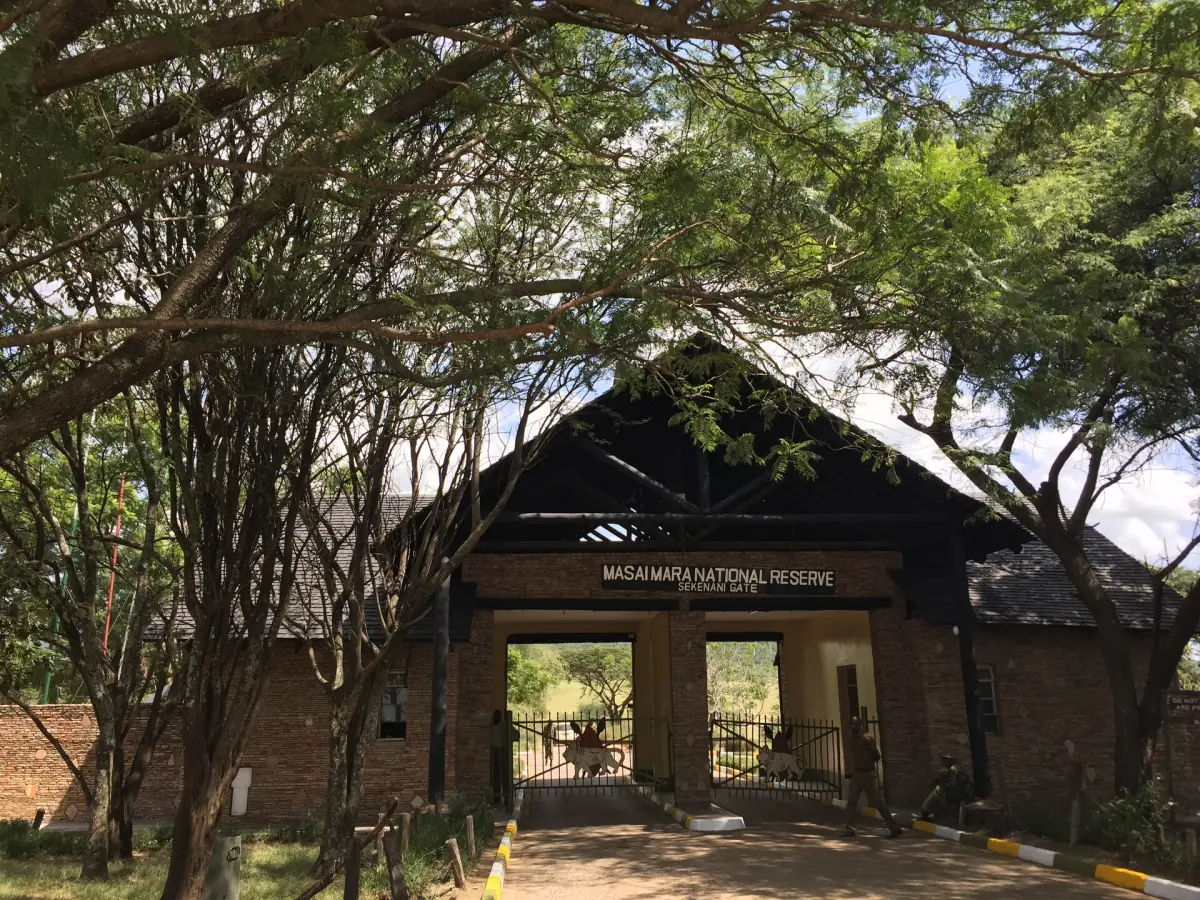
Park fees
Rates by season and how the day ticket works.
Where to stay
Camps by location and what changes by season.
Staying near the Serengeti as well? The Tanzanian side has its own seasons, covered in the Serengeti best time guide.
Best time to visit the Maasai Mara: frequently asked questions
What is the best month to visit the Maasai Mara?
For the Great Migration, July to October is the usual planning window. For lower park fees, January to June is cheaper on entry. There is no single best month for everyone.
When do the wildebeest cross the Mara River?
Crossings are possible during the migration, which normally runs from June or July to November. They are hard to predict, so no date or time can be promised.
Can I see wildlife outside the migration season?
Yes. The reserve has resident animals, including lions, elephants, giraffes and zebras. Sightings are never guaranteed in any month.
When is the park fee highest?
From 1 July to the end of December. In 2026 a non-resident adult pays $200 per day in that period and $100 from January to June.
Is the rainy season a bad time to go?
It depends on what you want. The long rains from March to May come with lower rates. The short rains in November and December are a regional pattern with possible showers.